
01 · Framework

MatchCode DNA Layer

Core Traits

The five dimensions that shape how you engage with the world.

Core Traits is the foundation layer of your MatchCode DNA. It maps you across the five trait dimensions that decades of psychological research keep finding — no matter the country, language, or generation studied.

Scientist measuring with calipers

What it is

The shape of the framework.

Woman examining a leaf with a magnifier

Most personality tests give you a label and a story. Core Traits gives you a position on five sliding scales — because real human variation lives on a continuum, not in a box. Two people with the same archetype can sit at very different points on each scale, and that's where the interesting differences live.

We score you on each dimension as a percentile relative to the population. The result isn't a verdict — it's a map you can read and adjust. Higher openness doesn't make you better; lower conscientiousness doesn't make you broken. Each combination has its own strengths, blind spots, and best ways to connect with someone whose map looks different.

Origin

The trait approach grew out of decades of research dating back to the 1930s, when psychologists started cataloguing every personality-relevant word in the dictionary and reducing them statistically. By the 1980s the same five dimensions kept emerging across studies — making this one of the most replicated findings in personality science. The framework lives in the public domain; nobody owns it.

Five trait dimensions

The dimensions, one by one.

01

Openness

How drawn you are to new ideas, art, abstract thinking, and unfamiliar experiences.

High

You collect interests like other people collect mugs. New music, weird books, unusual food.

Low

You like what you like and you stick with it. Tradition, routine, and tested ground feel safe.

02

Conscientiousness

How organised, planned, and follow-through-oriented you are by default.

High

You finish what you start. Calendars work. Promises kept.

Low

You move by feel, not plan. Ideas fly; finishing is the boring part.

03

Extraversion

How much social energy you take in versus give out, and how you recharge.

High

Talking it out clarifies it. Empty room feels emptier than a busy one.

Low

Crowds tax you, even good ones. You think clearer alone.

04

Agreeableness

How much you prioritise harmony, cooperation, and the room's emotional weather.

High

You read the room before you speak. Friction feels expensive.

Low

Honesty over comfort. You'd rather be the one who said it than the one who didn't.

05

Emotional Sensitivity

How sharply you register negative emotion, stress, and threat. Sensitive isn't fragile — it's high-resolution.

High

You feel everything in HD. The cost is intensity; the gift is depth.

Low

You run cool under pressure. Most things just don't land that hard.

In practice

How it shows up in real life.

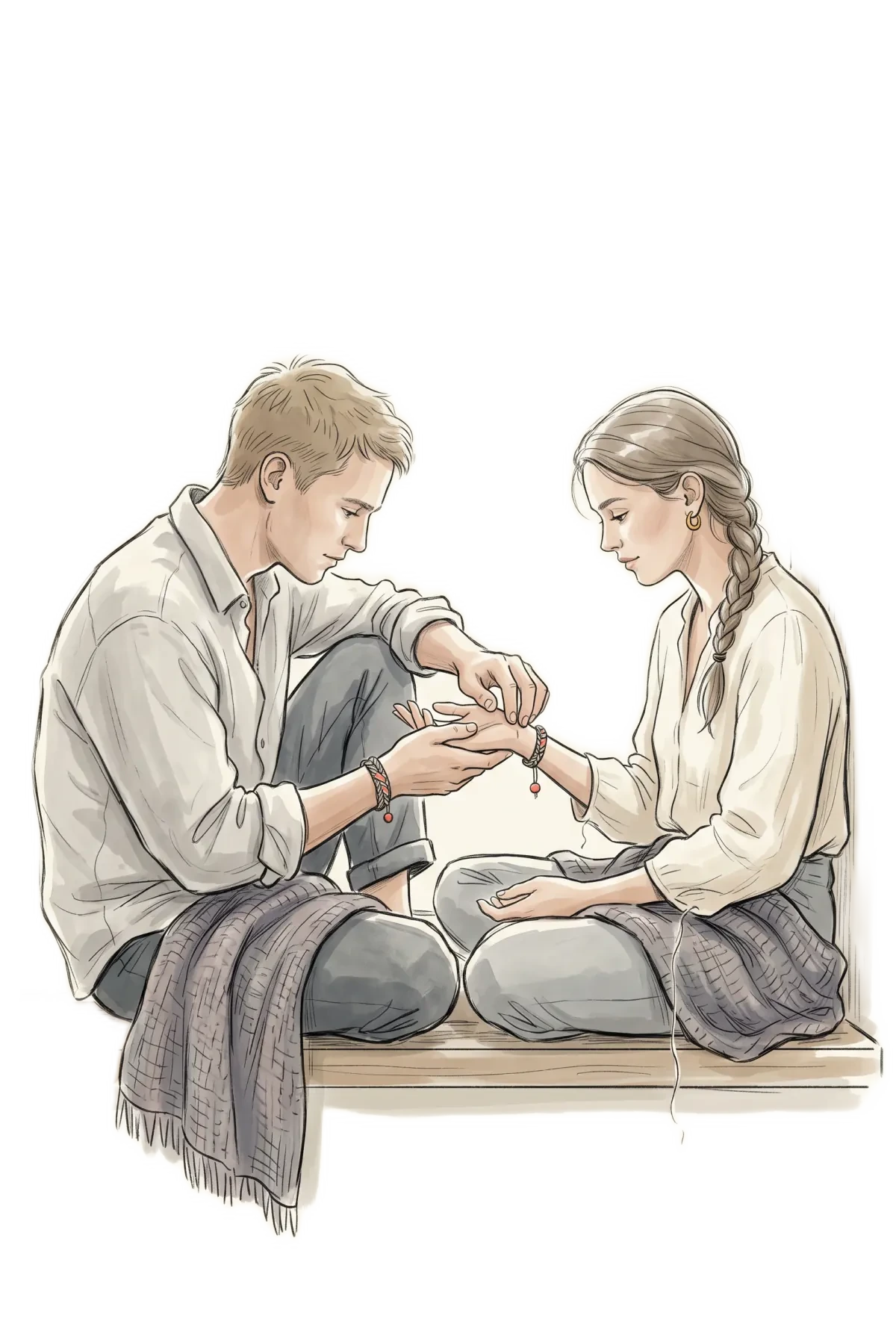
Couple sitting knee-to-knee in meditation

In a disagreement

Your trait map predicts whether you'll lean into the argument, cool off in another room, or split the difference. Both partners knowing each other's pattern shortcuts most fights by 80%.

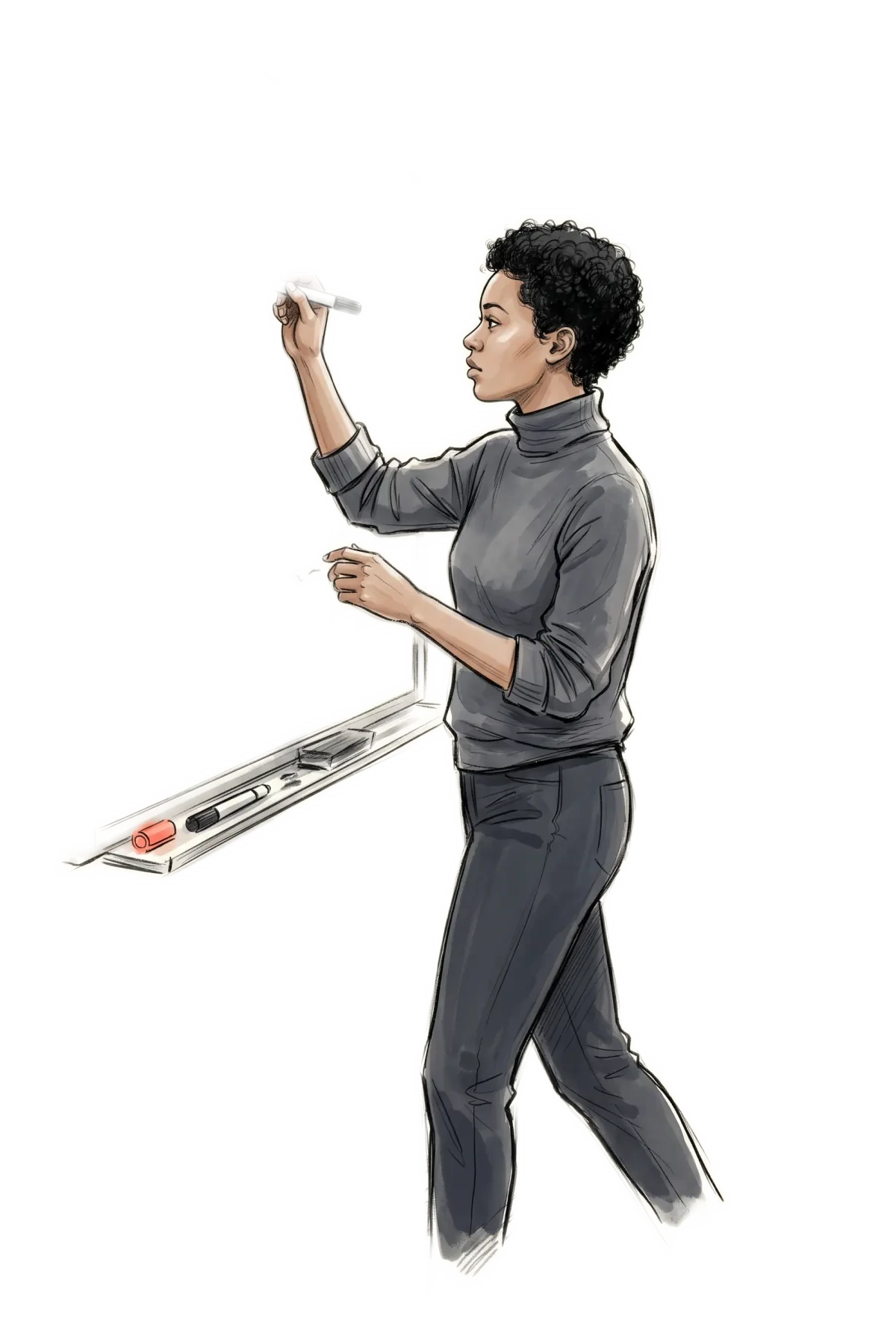
Strategist working at a whiteboard

At work

High conscientiousness + low openness ships reliable work and resists shiny new tools. High openness + low conscientiousness ideates brilliantly and forgets to file the brief. Neither is wrong; both need each other.

Woman resting quietly on a windowsill

When tired

Extraverts under exhaustion get louder; introverts get quieter. Knowing your low-battery signature stops your partner from misreading it as 'they're mad at me'.

Why we use it

One layer of your DNA.

Core Traits is the most empirically validated layer in your MatchCode DNA — no other framework predicts long-term behaviour as reliably across cultures and decades. It's the bedrock the other four layers build on top of.

Ready when you are

Eight minutes from now, you’ll know.

Take the free test