05 · Framework

MatchCode DNA Layer

Love Code

Five preference codes for how you give and receive care.

Love Code is the connection layer of your MatchCode DNA. It maps how you prefer to give care and how you most clearly receive it — because the most common reason two people feel unloved isn't lack of love. It's a mismatch in how they speak it.

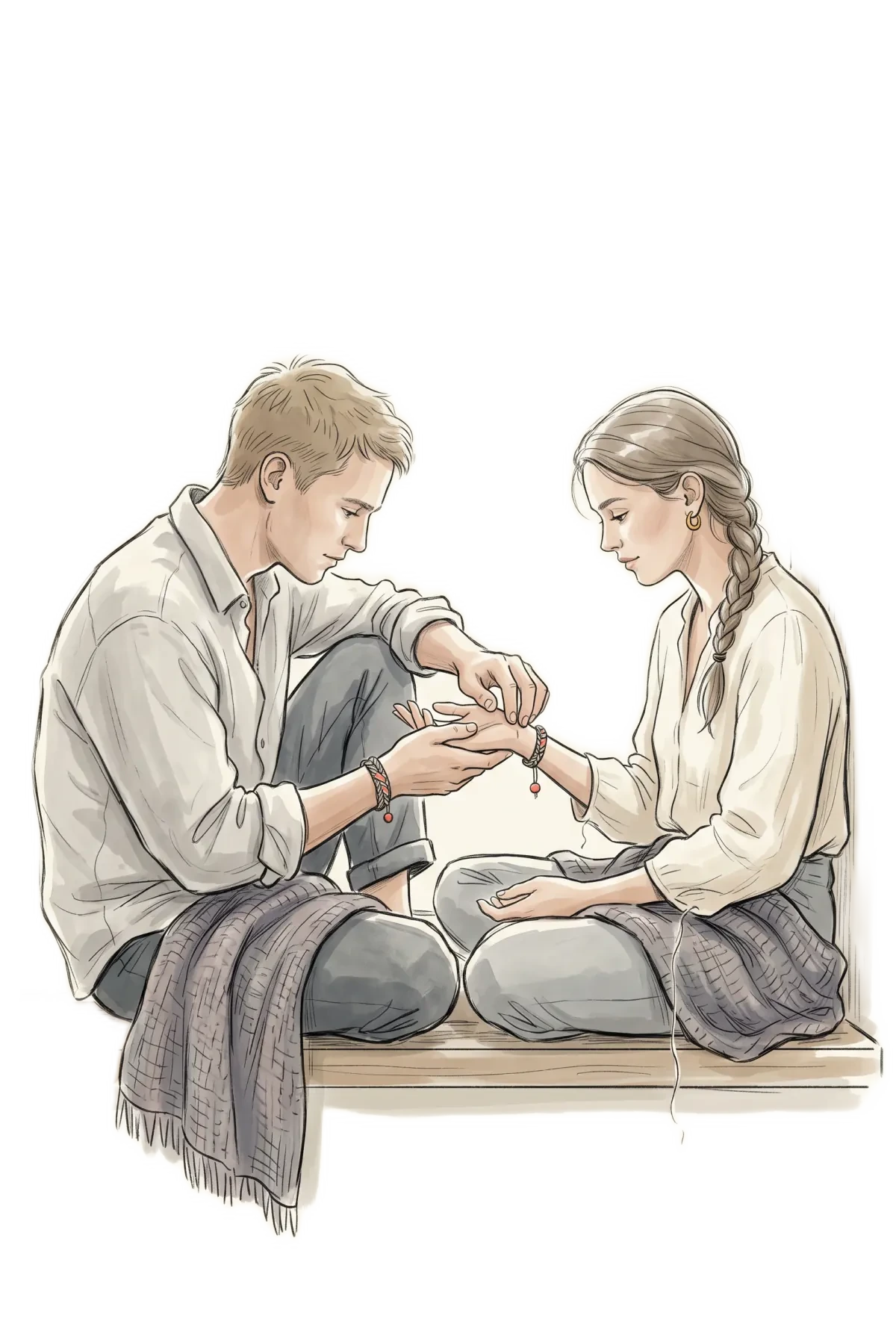
Couple tying a bracelet on each other

What it is

The shape of the framework.

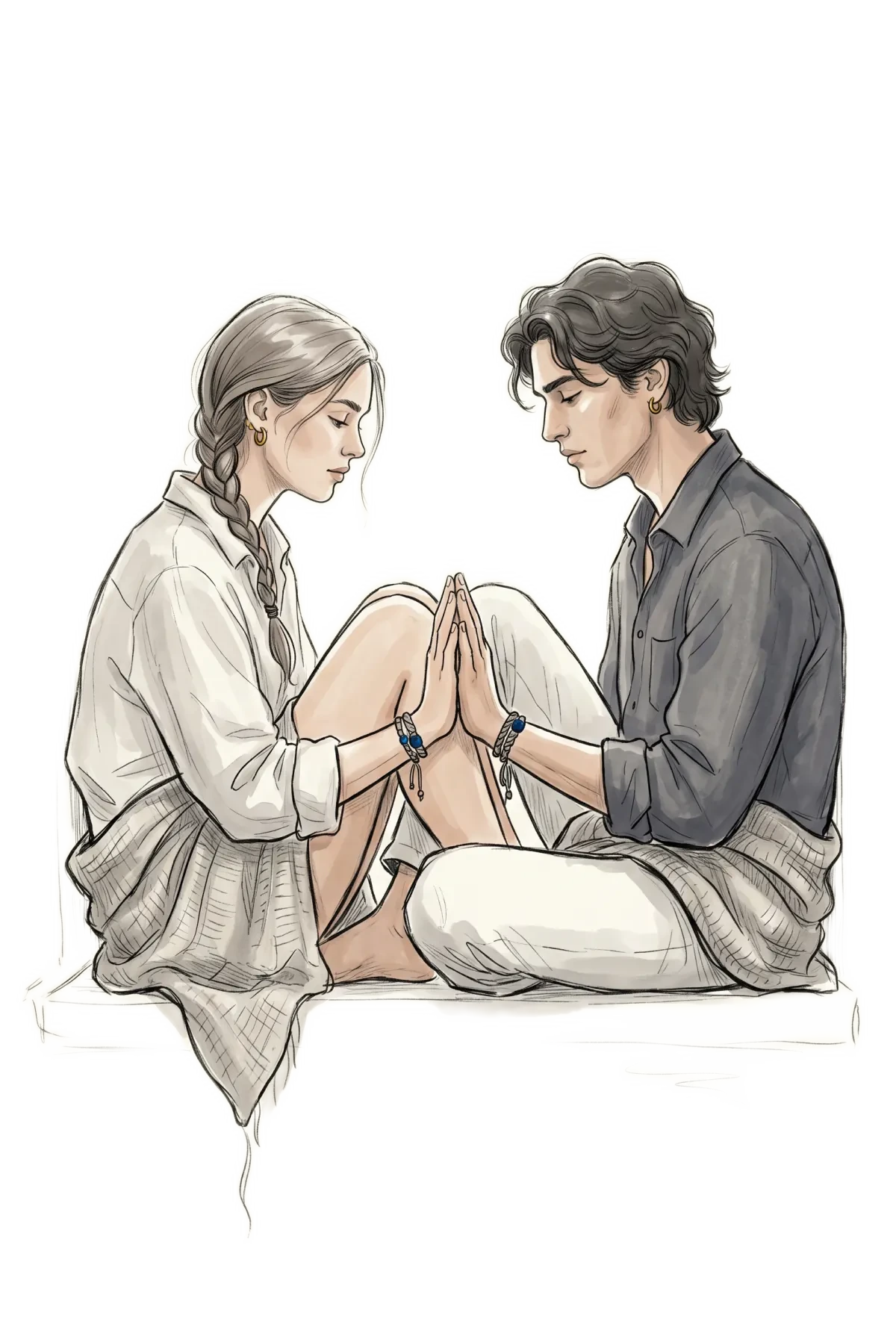
Couple sitting knee-to-knee, present with each other

Most people give love in the dialect they'd most like to receive. When two partners have different primary codes, both can be giving generously and both can feel under-cared-for. It's not selfishness; it's translation. Once you can name your code and theirs, the math gets simple.

We score you across five distinct codes. You'll have a primary (your most fluent), often a secondary (your second-favourite), and likely a quiet one you'd happily skip. None is better than any other; they're just different vocabularies for the same word.

Origin

The five-code framework draws on attachment research dating to mid-twentieth-century work on how humans form bonds and signal care. The underlying observations — that affection has dialects, that mismatch is common, and that translation is learnable — are public-domain and widely studied. We present them under our own MatchCode framework.

Five care codes

The dimensions, one by one.

01

Words

Care arrives through spoken or written affirmation — the explicit naming of love.

High

Loves through Words — a long voice memo at the right time. The note in your bag.

Low

Quiet on this — words feel cheap to you. You'd rather be shown than told.
02

Time

Care arrives through undivided attention — sit with me, no agenda, no phone.

High

Loves through Time — Sunday morning with no plan. Eye contact. Long walks.

Low

Quiet on this — presence is fine, but it's not your love metric.

03

Acts

Care arrives through done-without-asking — coffee already made, errand already run.

High

Loves through Acts — the fence fixed. The bills handled. Show me, don't tell me.

Low

Quiet on this — nice, but not how you'd score care.

04

Gifts

Care arrives through tangible tokens — chosen, not bought; meaningful, not expensive.

High

Loves through Gifts — the small thing that proves you were thinking of them.

Low

Quiet on this — gifts can feel transactional. You'd rather have presence.

05

Touch

Care arrives through physical affection — hand on the back, hug that lingers, casual contact.

High

Loves through Touch — the hand on the small of the back. The hug that holds a beat.

Low

Quiet on this — you're affectionate at chosen moments, not by default.

In practice

How it shows up in real life.

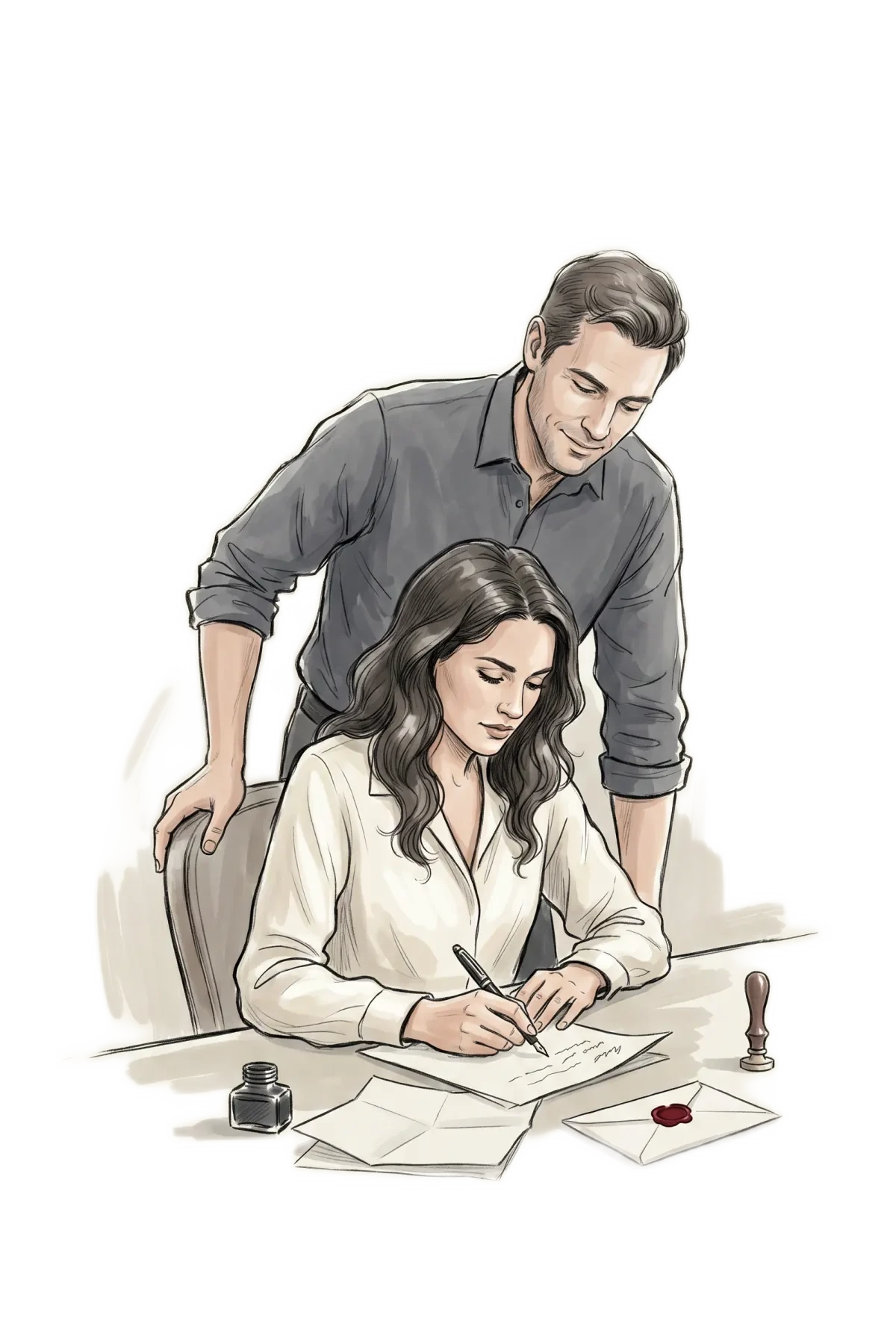
Couple sharing a letter, head on shoulder

When you feel un-loved

Usually it's not absence — it's mistranslation. Your partner's giving in their dialect, you're listening in yours. Knowing both codes lets you hear what was always being said.

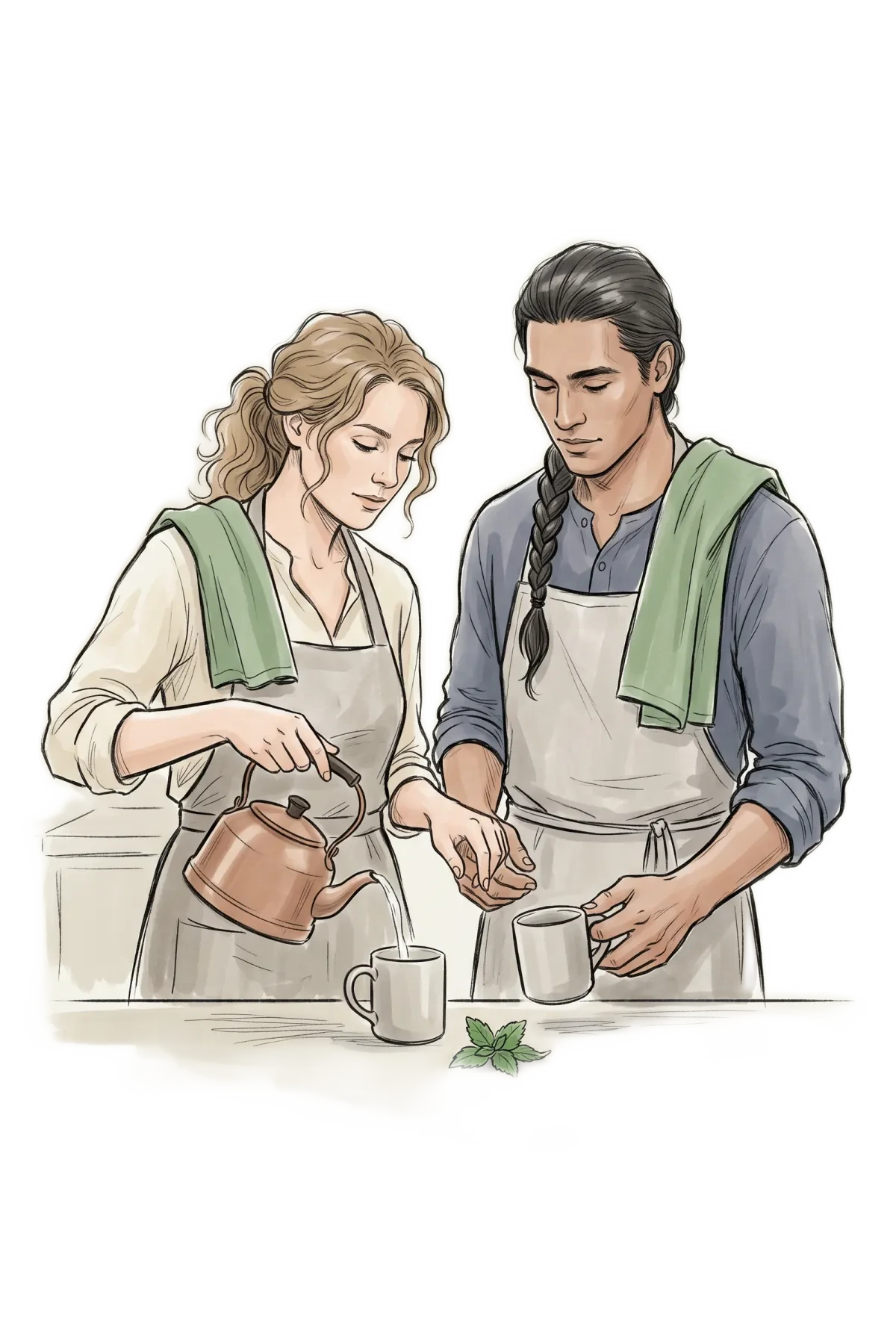
Couple having tea in the kitchen

When they feel un-loved

Same map, mirror direction. You're giving generously in your code; they're listening in theirs. Switching dialects (just sometimes) closes the gap fast.

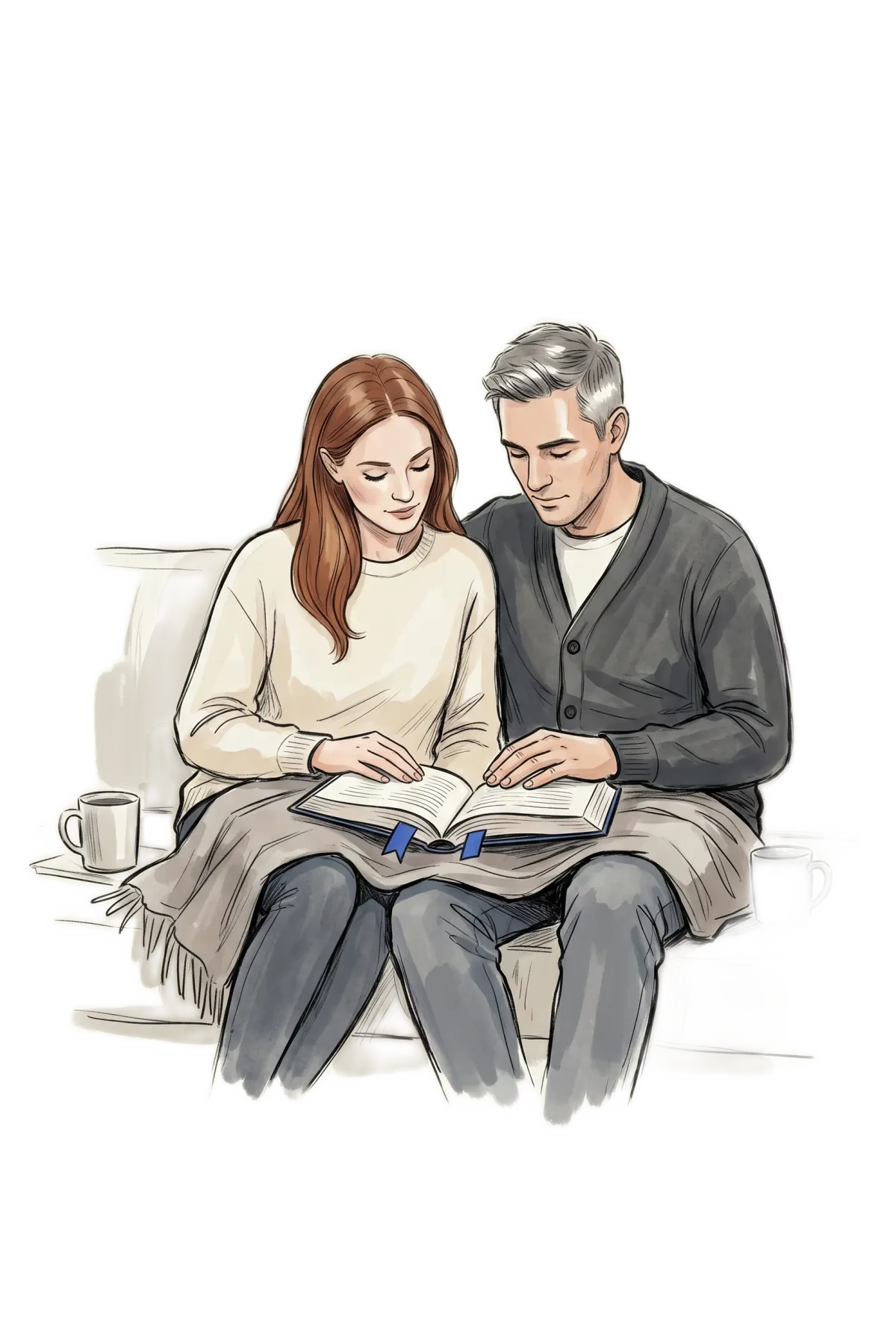
Couple reading together cozily

On a hard day

Each code has its own first-aid version. Words people want a real one. Touch people want a long hug. Acts people want the small thing handled. Knowing the right move makes the support land.

Why we use it

One layer of your DNA.

Love Code is the layer that makes the rest actionable. Knowing your trait map is interesting; knowing your code is useful tonight. We use it because relationships live in this layer — not in the others.

Ready when you are

Eight minutes from now, you’ll know.

Take the free test