04 · Framework

MatchCode DNA Layer

Action Style

Four behavioural quadrants for how you move through tasks and tension.

Action Style is the behaviour layer of your MatchCode DNA. It maps how you actually move — at work, in conflict, under deadline, in a room of strangers — across four quadrants that capture the full range of how humans take action.

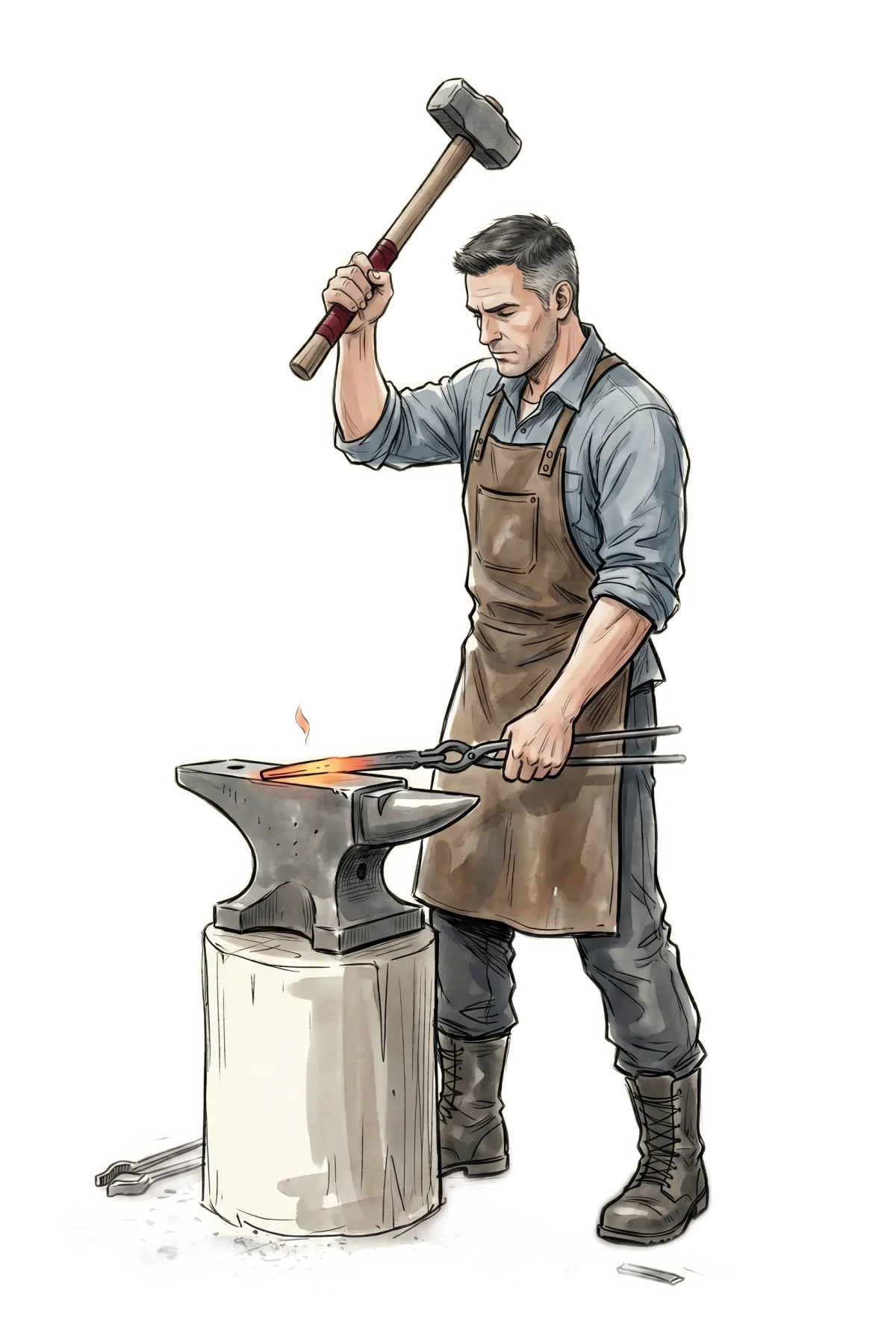
Blacksmith working at the anvil

What it is

The shape of the framework.

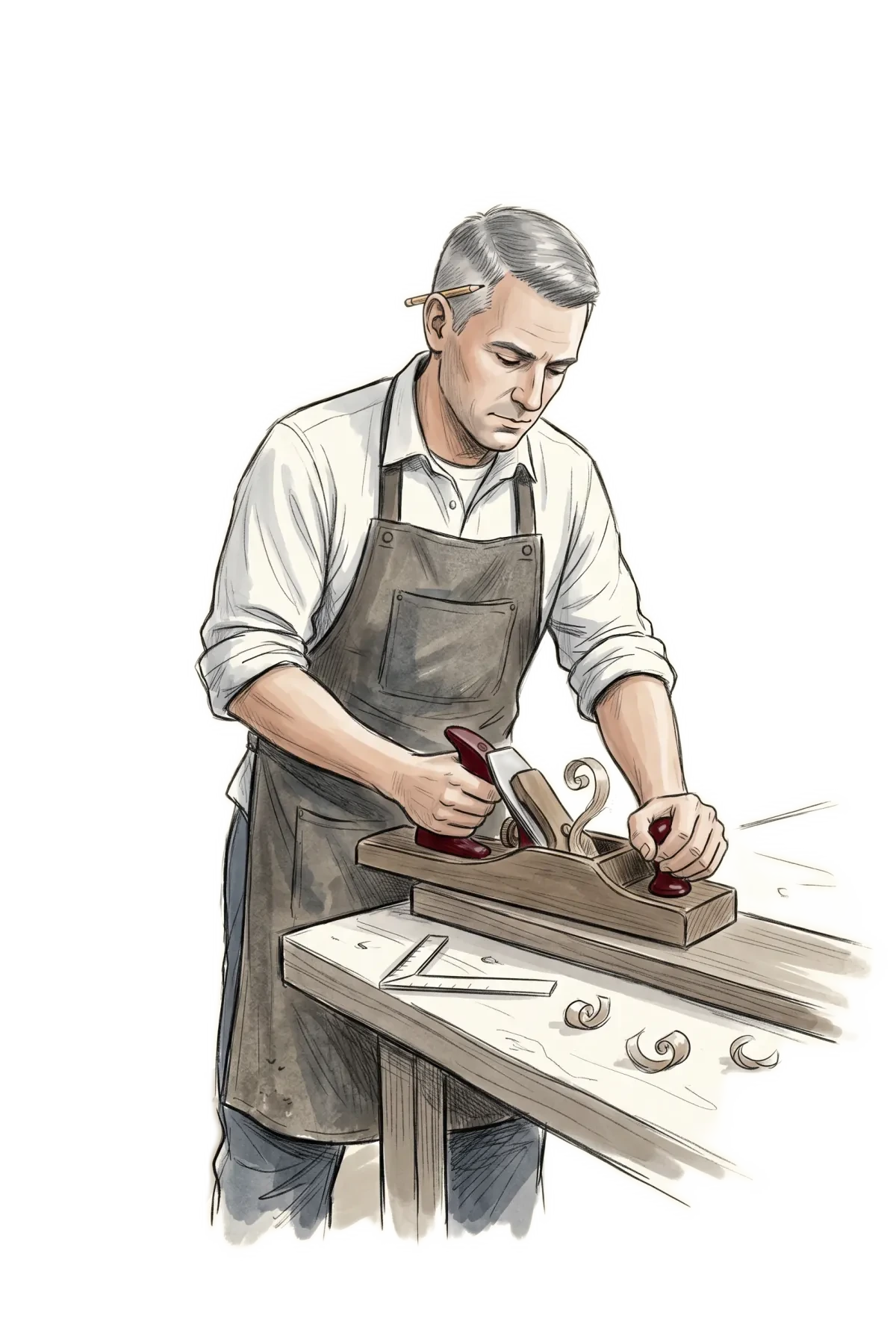
Carpenter planing wood with full focus

Where Core Traits names your underlying tendencies and Mind Code names your thinking style, Action Style is the visible behaviour. It's how you'd be described by someone watching you in a meeting, a hard conversation, or a project that's behind schedule. The four quadrants are independent — most people score primary in one and secondary in another.

We use the four-letter quadrant labels (D, I, S, C) because the system is descriptive and well-validated across decades of workplace research. The labels themselves are not trademarked; we present them under our own MatchCode framework so you get the science without the brand baggage.

Origin

The four-quadrant behavioural model traces back to 1920s academic work on the dimensions of human emotional response. The descriptive system has been used in workplace research, team dynamics, and conflict mediation for a century. It lives in the public domain.

Four behavioural quadrants

The dimensions, one by one.

01D

Dominance

How you respond to challenge — direct, decisive, results-oriented.

High

High D — you set the pace. Decisions over deliberation. Friction is acceptable cost.

Low

Low D — you yield to consensus. Friction is signal to slow down, not push through.

02I

Influence

How you persuade and connect — verbal, optimistic, people-energising.

High

High I — you light up rooms. Stories, energy, charm. Persuasion through warmth.

Low

Low I — you persuade through evidence and quiet competence, not heat.

03S

Steadiness

How you handle pace — patient, supportive, consistency-oriented.

High

High S — slow and steady wins. Loyal, dependable, suspicious of sudden change.

Low

Low S — variety is fuel. Change is opportunity, not threat.

04C

Conscientiousness

How you handle constraint — analytical, detail-oriented, accuracy-driven.

High

High C — measure twice, cut once. Rules, standards, getting it right matters.

Low

Low C — done beats perfect. You'll iterate; you won't stall.

In practice

How it shows up in real life.

Architect at a blueprint table

In a meeting

D's drive the agenda; I's light up the room; S's keep the team aligned; C's make sure the numbers are right. The dysfunctional team is the one with three of one quadrant. Knowing the mix helps you build, not just hire.

Engineer drafting with calipers

Under deadline

Each quadrant cracks differently. D's bulldoze; I's wing it; S's freeze; C's overthink. Knowing your quadrant means knowing your failure mode — and your partner's.

Couple reading letters at a table

When you disagree

D's want to settle it now; I's want to talk it through; S's want time; C's want the data. Pair the wrong two without translation and the disagreement isn't about the topic anymore — it's about the mode.

Why we use it

One layer of your DNA.

Action Style captures what people actually do in the room — which is sometimes very different from what their Core Traits or Mind Code would predict. We layer it in because behaviour is the part everyone else sees, and it deserves its own measurement.

Ready when you are

Eight minutes from now, you’ll know.

Take the free test